Recycling and Sustainability: Flat Clearance Penge
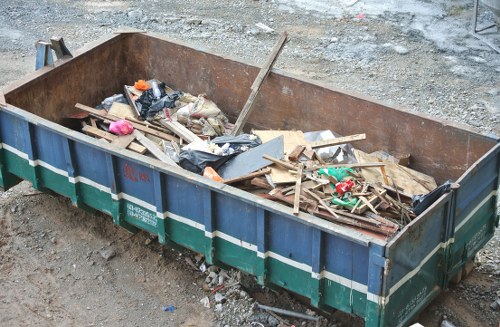
Flat Clearance Penge is committed to delivering an eco-friendly waste disposal area and a truly sustainable rubbish area for flat clearance projects across Penge and the surrounding South London neighbourhoods. Our flat clearance in Penge approach is designed to minimise landfill, maximise reuse and support local circular economy initiatives. We combine careful on-site separation, clear transfer routes and a low-carbon fleet to reduce the environmental footprint of every clear-out, whether you're using Penge flat clearance for a single room or a complete apartment.Our Eco-Friendly Waste Disposal Area Approach
We operate an organised waste staging area on every job, with distinct zones for reusable items, recyclable materials and non-recyclable residual waste. This sustainable rubbish area setup helps crew members segregate items at source, keeping contamination rates low and improving recovery outcomes at downstream facilities. Our teams use best-practice methods aligned with the local boroughs' approach to waste separation so that food waste, glass, paper, metals and textiles are handled appropriately before onward transfer.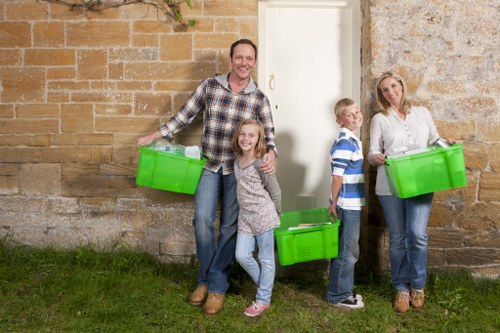 The boroughs surrounding Penge, including the London Borough of Bromley and nearby South London authorities, typically promote separate collection streams for dry recycling, food waste and bulky household items. In line with this model our service supports kerbside-style segregation during property clearances so that materials enter the right channels. We also emphasise safe handling of WEEE (electrical items), mattresses and hazardous small quantities so that these either go to specialist facilities or are prepared for refurbishment and reuse.
Recycling Percentage Target and Performance
Our measurable sustainability goal is to achieve a 70% recycling and reuse rate for all materials collected during flat clearance Penge operations by 2030. This target covers materials diverted to recycling, donated to local charities for reuse and those refurbished by social enterprises rather than being sent to landfill or incineration. We publish internal performance metrics and use them to continuously improve crew training, on-site segregation and routing decisions to local transfer stations and materials recovery facilities. Part of meeting that target is working closely with local transfer stations and MRFs. We schedule consignments to transfer stations that serve South London and the Borough of Bromley, ensuring that sorted streams reach the correct materials recovery facility quickly. Shorter journeys to local transfer stations reduce emissions, improve sorting outcomes and help establish a predictable supply of recoverable materials for local reprocessors.
We also track progress against intermediate milestones. For example, every quarter we review percentage recovery by material type and evaluate whether additional training or changes in our sustainable rubbish area layout are needed to increase capture rates for textiles, glass and small appliances.
Partnerships with Charities and Social Reuse
Partnerships are central to our reuse-first strategy: we collaborate with local and national charities, social enterprises and community reuse centres to ensure good-quality furniture, appliances and household items get a second life. Typical partners include furniture banks, textile re-use charities and national refurbishers such as those focusing on WEEE refurbishment and redistribution. These relationships turn clearance waste into social value — supporting local families and reducing the need for virgin resources.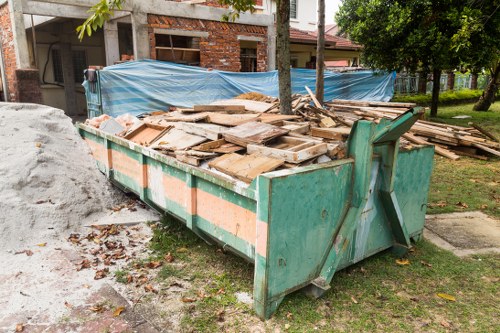 We work with charity partners to collect items that are suitable for donation, coordinate drop-offs at community reuse hubs and, where appropriate, arrange direct pickups. Our crew is trained to identify donor-grade goods during flat clearance services in Penge and to document donation flows so the impact is transparent. Reuse-first practices are embedded into our job flow to prioritise repair, resale and donation before considering recycling or disposal.
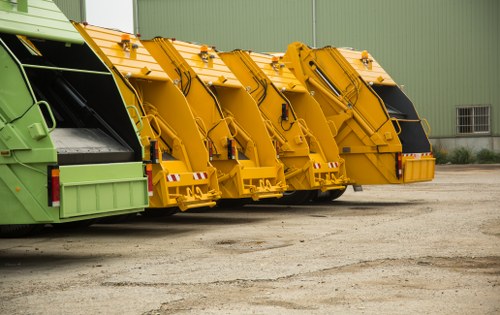 To make our operations practical and clear to clients, we maintain a simple separation protocol supported by our fleet: low-emission vans to the nearest transfer station, electric cargo bikes where access is restricted and consolidated collections to reduce vehicle miles. Our low-carbon vans use the latest hybrid or fully electric models where route and payload allow, helping to deliver a lower-carbon flat clearance Penge service that fits modern sustainability expectations.
On the practical side, our sustainable rubbish area standards include clear labelling of containers, lockable bins for hazardous small items and designated pallets for charity-bound furniture. We also follow local guidance for materials that require special handling: compostable food waste is routed through the proper channels, glass and cans are kept dry and separate, and paper/cardboard is flattened and stacked for maximum efficiency at MRFs.
Our logistics planning emphasises short-haul movements and consolidated loads to local transfer stations to reduce carbon intensity. A typical Penge flat clearance will be routed to the closest appropriate facility depending on the material stream — for example, bulky items destined for reuse partners will be handled differently from mixed dry recycling destined for an MRF.
Below is an example of the recycling activities we support during a clearance:
- Furniture reuse — donation and collection for charity re-use shops
- Textile recycling — rerouting wearable items to textile charities
- WEEE recovery — safe removal and transfer to certified refurbishers
- Glass, paper and metal segregation — careful on-site separation
- Food waste and composting — where produced in small quantities we follow borough collection standards
Flat Clearance Penge balances practical clearing needs with an ambition to pioneer an eco-friendly waste disposal area model for urban clearances. Our combination of clear segregation, charity partnerships, local transfer station routing and a low-carbon fleet creates a replicable pattern for sustainable rubbish area management in the area. By keeping reuse at the front of our decision-making and using local infrastructure efficiently, we contribute to a reduction in landfill dependence and a stronger circular economy for Penge and adjacent communities.
We continually refine procedures in line with borough policies and emerging recycling technologies, aiming to be a leading example among Penge flat removals services for responsible, low-impact clearance work. Our commitment is practical, measurable and community-focused: from operational recycling percentage targets to everyday choices such as electric vans, careful on-site separation and routes to local transfer stations and re-use charities.
Choosing a responsible flat clearance provider means choosing a greener future for Penge. Our sustainable rubbish area standards, partnerships with charities, use of low-carbon vans and clear recycling targets ensure each clearance contributes to better environmental outcomes and stronger local social value.