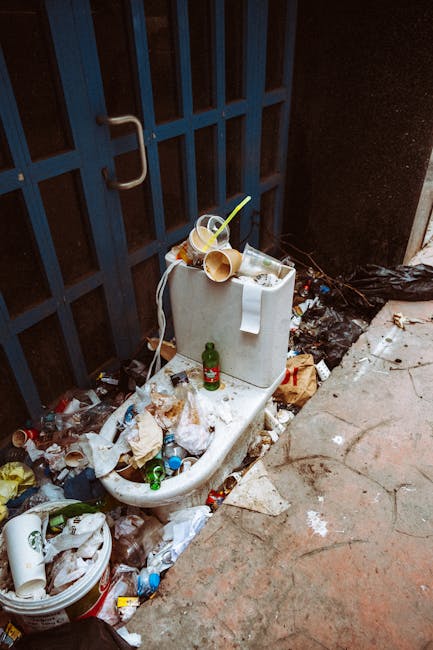
What landlords must know about rubbish disposal rules in Penge
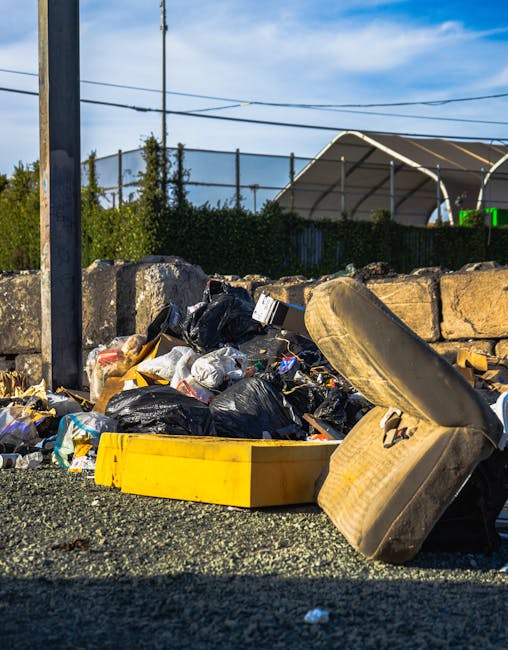
If you rent out property in Penge, rubbish disposal can become one of those quietly annoying issues that snowball fast. A tenant leaves bulky waste behind, a garden gets overgrown, a flat is dumped with old furniture after a move, and suddenly you are the one trying to work out what can go where, who is responsible, and how to avoid trouble. Truth be told, that is exactly why understanding What landlords must know about rubbish disposal rules in Penge matters. It is not just about keeping a property tidy. It is about protecting your tenants, staying on the right side of local expectations, and avoiding messy disputes that waste time and money.
This guide breaks the topic down in plain English: landlord responsibilities, common disposal problems, practical steps, and the safest ways to handle clearance jobs when a property needs attention quickly.
Why What landlords must know about rubbish disposal rules in Penge Matters
Landlords carry a lot of responsibility already. Repairs, safety, deposits, viewings, licensing in some situations, tenant communication - it adds up. Rubbish disposal might sound like a small part of the job, but in practice it can create some of the most awkward problems. A pile of black bags in a shared hallway, a sofa left on the pavement, or a load of renovation waste in the wrong bin can trigger complaints very quickly.
In Penge, as in the wider London area, the real issue is not simply whether waste is "gone." It is whether it is handled properly, stored safely, and removed in a way that avoids fly-tipping, blocked access, pest problems, or tenant disputes. If rubbish is left around too long, it can affect neighbours, damage your reputation as a landlord, and make a property harder to let. Nobody wants to walk into a flat that smells stale or looks half-abandoned. You know the feeling. It is not a great first impression.
There is also a practical side. When landlords understand rubbish disposal rules, they can plan move-outs better, budget more accurately, and avoid emergency callouts. That matters whether you manage one flat or several houses. It also helps if you work with services such as flat clearance or house clearance when a property needs to be cleared between tenancies.
Expert summary: The key issue for landlords is not just clearing waste fast; it is making sure the waste is removed lawfully, safely, and without passing avoidable problems on to tenants, neighbours, or the local environment.
How What landlords must know about rubbish disposal rules in Penge Works
At a high level, rubbish disposal rules are about three things: responsibility, segregation, and safe removal. Landlords need to understand who is expected to deal with the waste, what kind of waste it is, and how it should be removed.
For ordinary household rubbish, tenants usually handle their day-to-day bin use while they live in the property. But landlords still need to make sure the property has suitable waste storage, access to bins where applicable, and a plan for clearance when a tenancy ends. If waste is left behind after a move-out, the landlord may need to arrange removal before the next tenant moves in. That is where quick, orderly clearance becomes useful.
Different waste types need different handling. General rubbish is one thing. Mattresses, broken wardrobes, fridges, garden cuttings, builders' rubble, confidential paperwork, and anything classed as hazardous waste are another matter entirely. A landlord who treats all waste as if it can go in the same pile is asking for trouble. A slightly overfull back room can turn into a compliance headache before you've finished your tea.
Here is the simplest way to think about it:
- Household waste: everyday rubbish, packaging, food waste, and similar items.
- Bulky waste: furniture, mattresses, white goods, and larger items that need special collection or clearance.
- Garden waste: soil, branches, grass cuttings, and outdoor debris.
- Construction or DIY waste: plasterboard, timber, tiles, broken fittings, and renovation leftovers.
- Special waste: electronics, fridges, chemicals, batteries, paint, and other items that need extra care.
That is why many landlords use a mixture of services. For example, a property clean-out might involve furniture disposal for worn-out items, mattress and sofa disposal for bulky soft furnishings, and fridge and appliance removal for heavy white goods. Each one solves a different part of the problem.
Key Benefits and Practical Advantages
When you get rubbish disposal right, the benefits are immediate, and honestly, very noticeable.
- Faster turnaround between tenancies. A clear property can be cleaned, repaired, and re-let sooner.
- Fewer complaints. Neighbours and tenants are less likely to report odours, mess, or blocked access.
- Better presentation. Empty, clean rooms photograph better and view better.
- Lower risk of contamination. Waste left too long can attract pests or cause damp smells.
- Reduced dispute risk. A documented clearance process helps if there is a disagreement over who left what behind.
- Safer access. Clear hallways, stairwells, and outdoor areas reduce trip hazards.
There is also a subtle benefit landlords sometimes overlook: calm. When you already know what to do with waste, the chaos around end-of-tenancy work feels far more manageable. One phone call, one plan, fewer surprises. That alone can make a stressful week feel much easier.
For larger cleanouts, a broader service like home clearance or office clearance can be useful depending on the property type. If you manage mixed-use buildings or business lets, business waste removal may be the better fit.
Who This Is For and When It Makes Sense
This topic matters to more people than you might think. It is not only for large portfolio landlords or property managers. It also affects accidental landlords, housing investors, letting agents, and anyone managing a single flat in Penge that needs periodic clearance.
It makes particular sense if you are dealing with any of the following:
- a tenant leaving behind rubbish after moving out
- an inherited property that needs sorting before re-letting
- bulk waste from refurbishment or refresh works
- garden waste after outdoor maintenance
- old furniture that is no longer suitable for the next tenancy
- shared-house waste issues that keep recurring
- a void period where you want the property ready for marketing quickly
If your property has lofts, garages, basements, or storage rooms, the problem can hide out of sight for ages. Then, one day, the cupboard is opened and it is all there: old boxes, broken lamps, a half-used paint tin, a chair nobody remembers buying. Classic landlord moment, really.
In those cases, a more specialised clearance can help. garage clearance is useful where overflow items pile up over time, while loft clearance is ideal for long-forgotten storage spaces. If the outside area is the issue, garden clearance can tidy up an outdoor space before new tenants move in.
Step-by-Step Guidance
If you are trying to handle rubbish disposal sensibly as a landlord, a straightforward process is best. No drama, no guesswork.
- Identify what type of waste you have. Separate general waste, bulky items, garden waste, electricals, and anything hazardous.
- Check the tenancy situation. Work out whether the waste belongs to the outgoing tenant, the property, or the landlord's own improvement works.
- Inspect access and storage. Make sure waste can be collected safely without blocking communal hallways, stairs, or entrances.
- Sort reusable items from disposal items. A few pieces of furniture might be suitable for reuse, while broken or damaged items should go for disposal.
- Choose the right removal method. For some jobs, a small household run to approved waste services may be enough. For larger clearances, a professional clearance service is usually simpler.
- Remove special waste separately. Fridges, appliances, paint, batteries, and anything classed as hazardous need separate handling.
- Keep records. Save invoices, notes, and any photos if you expect a deposit discussion or later dispute.
- Finish with a deep clean. Empty space and clean space are not the same thing. A property still needs that final reset.
A useful rule of thumb: if waste removal will take more than one trip, involves lifting heavy items down stairs, or includes mixed waste types, it is usually more efficient to book a professional clearance rather than cobbling it together yourself.
For landlords comparing ways to remove bulky items, waste removal is the broadest option, while more specific services like furniture clearance and builders waste clearance can be a better fit for targeted jobs.
Expert Tips for Better Results
After years of property handovers and clearance jobs, a few patterns stand out. The landlords who have the smoothest process usually do a few small things consistently.
- Do a pre-move-out inspection early. Don't wait until keys are handed back. Spot the rubbish problem before it becomes a rushed one.
- Document what is left behind. A quick photo set can save a lot of back-and-forth later.
- Separate hazard from clutter. A broken chair is annoying. A leaking container of chemicals is a different story.
- Think about access first. Tight stairwells, controlled entry systems, and parking restrictions can change the whole plan.
- Coordinate clearance with cleaning and repairs. There is no point deep-cleaning before the bulky waste has gone. That is just creating extra work.
- Use a clear rule for tenant expectations. Make it obvious in your tenancy process what counts as normal waste and what counts as abandonment.
One small but useful habit is to keep a "changeover checklist" for each property. Nothing fancy. Just a basic note of what needs removing, what needs checking, and who is responsible. Simple tools beat memory, especially when you have more than one property and the week gets away from you.
If you need a provider that takes sustainability seriously, it can also be worth looking at recycling and sustainability. It is a sensible signal that the waste is being dealt with thoughtfully rather than just tipped and forgotten about.
Common Mistakes to Avoid
Landlords tend to make a few repeat mistakes with rubbish disposal, and most of them are avoidable.
- Assuming everything is the tenant's problem. Sometimes it is, sometimes it is not. If the property is left unfit for handover, the landlord still needs a plan.
- Leaving bulky waste outside "for now." That can attract complaints and, in some cases, create fly-tipping risk.
- Mixing hazardous items with regular waste. This is a major no-no. Not worth the gamble.
- Not checking what can go where. Some items that look harmless are treated differently once they are broken, contaminated, or electrical.
- Forgetting common areas. In flats, shared hallways and bin stores matter just as much as the main unit.
- Choosing the cheapest option without checking suitability. The cheapest quote is not always the cheapest outcome.
Another one: leaving old sofas or mattresses in a spare room "until next week." It always feels manageable at the time. Then the week becomes three weeks, and the room turns into a graveyard of good intentions. We've all seen that movie.
Tools, Resources and Recommendations
You do not need a complicated system to manage waste well. A few practical tools make a big difference.
- A basic property checklist. Use it at every tenancy changeover.
- Photo documentation. Before and after images are extremely helpful.
- Room-by-room sorting bags or tubs. Keeps mixed waste from spreading.
- Separate labels for reuse, recycle, dispose, and review. Very simple, very effective.
- A trusted clearance partner. Particularly useful for short-notice jobs or larger clearouts.
If you are comparing service types, these pages can help you think through the job more clearly: house clearance, flat clearance, furniture disposal, and fridge and appliance removal. For landlords dealing with a larger mixed property cleanout, home clearance is often a useful starting point.
If you want to understand what can be loaded into certain disposal methods, what can go in a skip is a useful reference point. Even if you are not using a skip, it helps to think in terms of item type and waste category.
Law, Compliance, Standards, or Best Practice
It would be wrong to pretend rubbish disposal is only a housekeeping issue. For landlords, there is a compliance side too. The exact obligations can vary depending on the waste type, the nature of the property, and how the disposal is arranged, so caution is sensible here. As a general rule, landlords should make sure waste is passed to a legitimate disposal route and handled safely.
Best practice usually means:
- keeping communal areas clear of waste
- preventing pests, smells, and fire risks
- separating hazardous waste from regular rubbish
- using clear records for disposal jobs
- making sure contractors are insured and follow safe working practices
- avoiding fly-tipping under any circumstances, even accidentally
If you are unsure who is legally responsible for a particular pile of waste, it is wise to pause and clarify rather than guess. In property management, guessing is expensive. The sensible route is to assess the waste type, the tenancy context, and the safest removal option.
Landlords should also think about contractor standards. A company's health and safety policy, insurance and safety, and payment and security pages can give helpful reassurance when you are deciding who to trust with access to a property.
Options, Methods, or Comparison Table
There is no single "best" disposal method for every landlord. The right choice depends on volume, item type, access, and how quickly the property needs to be ready.
| Method | Best for | Pros | Watch-outs |
|---|---|---|---|
| Routine bin disposal | Small everyday household waste | Simple and low-cost | Not suitable for bulky or special waste |
| Skip hire | Renovation waste, heavier mixed waste, larger volumes | Good for ongoing work | Space needed; item restrictions apply |
| Professional clearance | Bulky items, mixed rubbish, end-of-tenancy clearouts | Fast, less manual lifting, convenient | Quote depends on access and volume |
| Specialist item removal | Appliances, mattresses, sofas, hazardous items | Safer handling and more appropriate disposal | Often needs separate booking or sorting |
For landlords, professional clearance is often the most practical choice when time is tight and the waste is mixed. It is especially helpful in older flats, top-floor properties, or homes with awkward access. A narrow stairwell changes everything, as anyone who has tried to angle a wardrobe through one at 7.30am will tell you.
If you are still deciding, pricing and quotes can help you judge whether the job is better handled as a one-off clearance or as part of a bigger property reset.
Case Study or Real-World Example
Consider a typical end-of-tenancy handover in Penge. A landlord visits a two-bedroom flat after the tenants move out and finds three bin bags in the kitchen, an old wardrobe in the second bedroom, a broken microwave on the counter, and a mattress left in the hallway. Not a disaster, but not exactly ready for new marketing photos either.
The first step is to separate the waste by type. The bin bags are ordinary rubbish. The wardrobe is bulky furniture. The microwave needs appliance handling. The mattress should be removed separately rather than folded into a general waste pile. Once sorted, the landlord books clearance for the bulky items and arranges the remaining cleaning and repairs after the space is fully empty.
Because the property is in a block, hallway access matters. The landlord checks with the building manager, avoids collection during peak times, and keeps the route clear. That one bit of planning prevents neighbour complaints and makes the job much smoother.
The result? The flat is emptied in one visit, cleaned the same day, and photographed the following morning. No lingering smell. No pile of junk waiting by the entrance. Just a calmer handover and a quicker route to re-let. Simple, but effective.
Practical Checklist
Use this before and during any landlord rubbish clearance in Penge:
- Identify the waste type before booking removal
- Separate general waste from bulky items
- Keep hazardous items away from ordinary rubbish
- Check access routes, parking, and shared areas
- Document what was left behind with photos
- Choose the right disposal method for the volume and item type
- Plan clearance before cleaning and repairs
- Make sure the property is safe and tidy after removal
- Keep records for deposit or tenancy queries
- Confirm the job is complete before arranging viewings
Quick sanity check: if the property still looks cluttered, smells off, or has anything unsafe left behind, it is not really finished yet.
Conclusion
For landlords, rubbish disposal is one of those small operational details that has an outsized effect on everything else. Get it right, and the property turns over more smoothly, looks better, and causes fewer headaches. Get it wrong, and you can end up with complaints, delays, and extra costs that could have been avoided.
The good news is that the process does not need to be complicated. Know what type of waste you are dealing with, plan the clearance properly, keep access and safety in mind, and use the right removal method for the job. That is the heart of What landlords must know about rubbish disposal rules in Penge. Everything else builds from there.
If you are facing a clearance job now, or you simply want to be ready for the next tenancy changeover, having a reliable plan makes all the difference. And really, that peace of mind is worth a lot on a busy week.
Get a free quote today and see how much you can save.
Frequently Asked Questions
Who is responsible for rubbish left behind by tenants in Penge?
That depends on the tenancy situation and what the rubbish is. Everyday waste during a tenancy is usually the tenant's responsibility, but rubbish left at move-out may need the landlord to arrange removal before re-letting. If there is any dispute, document everything clearly.
Can landlords put bulky waste in the normal bins?
Usually no. Bulky items like sofas, mattresses, wardrobes, and white goods need separate handling. Putting them in ordinary bins can cause collection problems and may breach local waste expectations.
What counts as hazardous waste in a rental property?
Hazardous waste can include items such as chemicals, certain paints, batteries, solvents, and some electrical or contaminated materials. If you are unsure, treat it carefully and separate it from general waste until you can confirm the right route.
Do landlords need to clear lofts, garages, and storage areas between tenancies?
If those spaces are part of the let property and they have been used to store waste or abandoned items, yes, they often need attention. A forgotten loft or garage can hold years of clutter, so it is worth checking every area during handover.
What is the safest way to clear a flat after tenants move out?
For mixed waste, bulky furniture, and awkward access, a professional clearance service is often the safest and most efficient option. It reduces lifting risk, speeds up turnaround, and avoids wasting hours doing several small trips.
Can I ask tenants to remove all rubbish before they leave?
Yes, it is common to set clear expectations in the tenancy terms and move-out instructions. Still, landlords should inspect the property and be prepared with a plan in case items are left behind anyway. It happens more often than people like to admit.
How do I handle rubbish in a block of flats without upsetting neighbours?
Plan collection times carefully, keep shared hallways clear, and avoid leaving bags or furniture in communal areas. A brief notice to residents or building management can also help when larger items need to be moved.
Is skip hire always the best option for landlord clearouts?
Not always. Skips are useful for renovation waste and larger ongoing jobs, but they are not ideal for every property, especially where access is tight or waste types are mixed. For end-of-tenancy clearances, a dedicated removal service can be more convenient.
What should I do with old appliances found in a rental property?
Old fridges, freezers, microwaves, and similar items should be handled separately. Appliance removal is often best booked as a specialist service because these items are heavy, awkward, and may contain materials that need particular care.
How can I avoid rubbish disputes with tenants?
Use a move-in and move-out checklist, take photos, and be clear about expectations from the start. Good records make disputes much easier to resolve, and they also help if you need to show what was left behind.
Should landlords keep records of waste disposal jobs?
Yes, absolutely. Keep invoices, dates, notes, and photos where relevant. Records help with property management, insurance questions, and any future deposit or tenancy discussions.
What is the most practical option for landlords who need a property ready quickly?
For many landlords, a professional waste removal or clearance service is the fastest way to reset the property. It is especially useful when time is short and the waste is varied.
If you want a clearer plan for a specific property type, it can help to explore the most relevant clearance page first and work from there. That little bit of preparation usually saves time later.